.svg)
Vascular Ultrasound
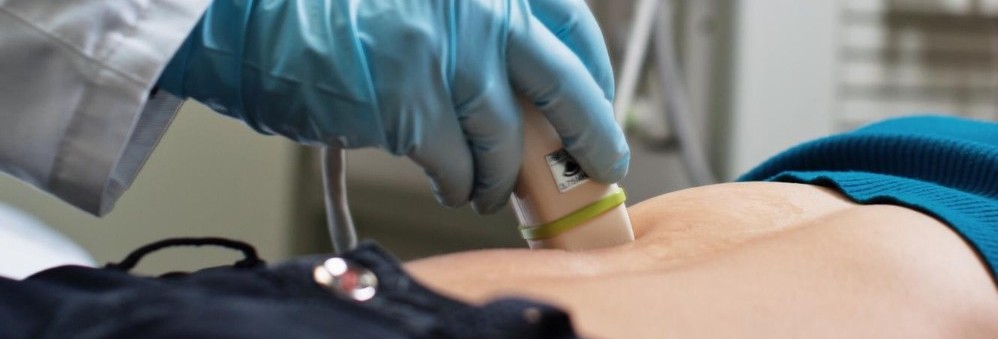

Why is Vascular Ultrasound Requested?
Vascular ultrasound may be requested to investigate symptoms such as leg pain, swelling or changes in circulation, or to monitor known vascular conditions. Tests can help identify areas of narrowing, blockage or abnormal blood flow, and may be used alongside other clinical information and investigations requested by your practitioner.
Procedures & Patient Preparation
Before your test, you will receive clear instructions about how to prepare, what to bring and what to expect on the day so your procedure can be completed safely and efficiently.
Arterial Ultrasound
Assesses blood flow and plaque in the carotid arteries.
Screens for aneurysms or narrowing in the abdominal aorta and iliac arteries.
Evaluates blood flow in peripheral arteries.
Assesses circulation in arteries within the legs.
Evaluates blood flow within the arteries in the arms.
Compares arm and ankle blood pressure to detect arterial disease.
Checks the health and function of vascular bypass grafts.
Evaluates blood flow to the kidneys.
Assesses arteries supplying the digestive organs.
Venous Ultrasound
Detects deep vein thrombosis in the legs.
Assesses blood flow and obstruction in the iliac veins.
Examines veins in the legs for reflux or blockage.
Assesses veins in the arms for clot or dysfunction.
Assesses pelvic venous congestion or abnormalities.
Evaluates varicoceles or pelvic venous issues in males.
Maps vein pathways prior to treatment or surgery.
Evaluates fistula function for dialysis access.
Ultrasound assessment for planning kidney‑related vascular access.
.jpg)
Our Specialists

Where to Find Us
1.jpg)