.svg)
Heart Tests at CVS
Safe, evidence based cardiac and vascular testing to support your heart health.

.jpg)
Our Heart and Vascular Tests
Our heart and vascular tests are designed to give your doctor a clear picture of how well your heart and blood vessels are functioning.
Using safe, non‑invasive technology, we assess heart rhythm, blood flow, blood pressure and overall cardiovascular health. These tests help identify concerns early and guide the most appropriate care, giving you confidence and peace of mind about your heart health.
Why might you be referred for a heart or vascular test?
Common symptoms that may lead to testing
- Chest pain or discomfort
- Shortness of breath, especially with activity
- Palpitations or irregular heartbeat
- Dizziness or fainting
- Swelling in the legs or ankles
- Unexplained fatigue
- High blood pressure that is difficult to control
- Reduced exercise tolerance

Common conditions that may require testing
- High blood pressure (hypertension)
- Coronary artery disease
- Heart rhythm disorders (arrhythmias)
- Heart valve problems
- Heart failure
- Cardiomyopathy
- Issues with blood flow in the arteries and veins
- Various other conditions that have associated complications with the cardiovascular system
Other reasons for testing
- Family history of heart disease
- Elevated cholesterol or other cardiovascular risk factors
- Monitoring known heart conditions
- Pre‑operative assessment
- Routine cardiac check‑ups in high‑risk patients
What do heart tests do?
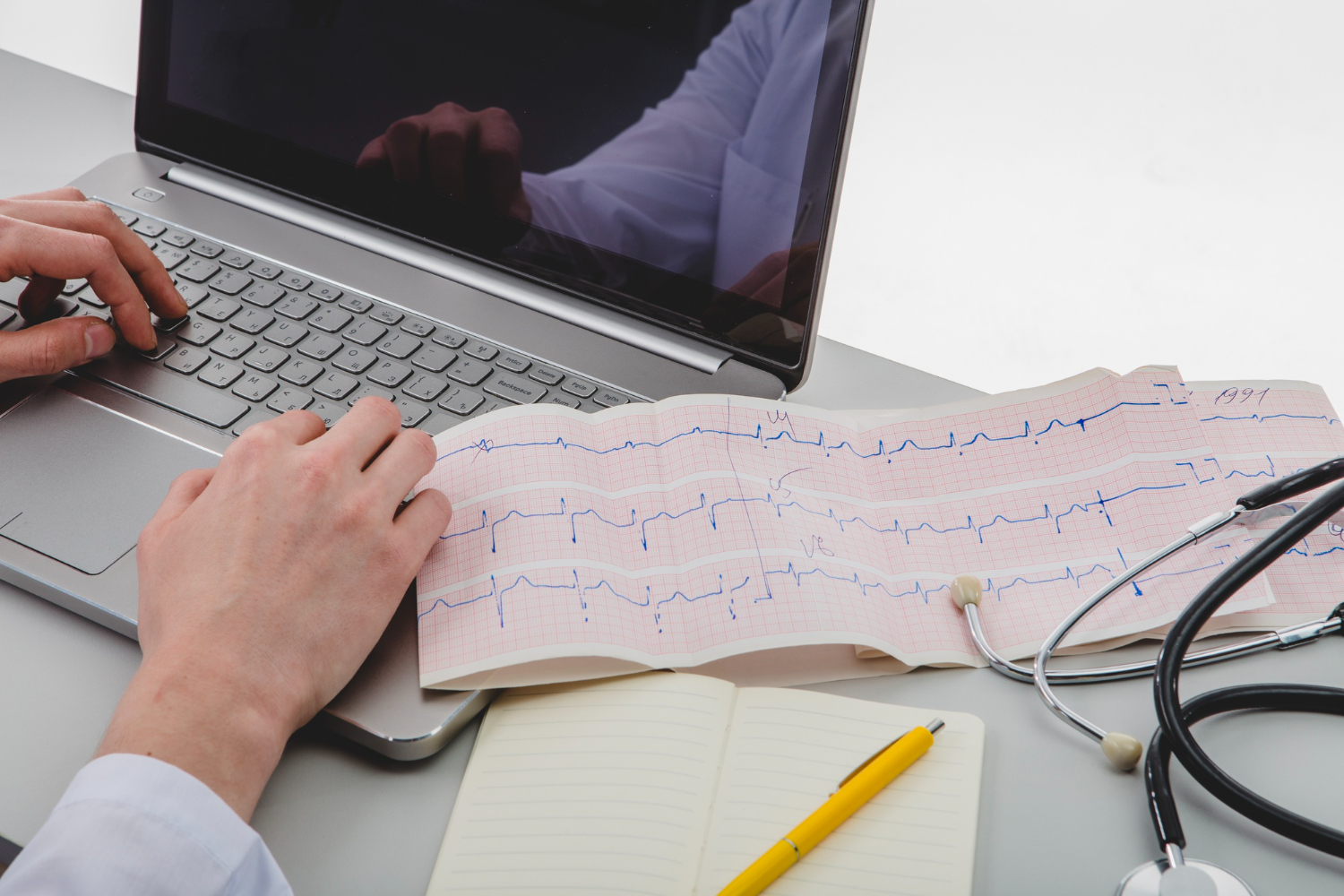
Heart tests are used to understand how well your heart pumps, how your valves work and whether your heart rhythm is regular. Your GP or specialist will recommend the most appropriate test based on your symptoms, medical history and overall clinical needs.
What do vascular tests do?
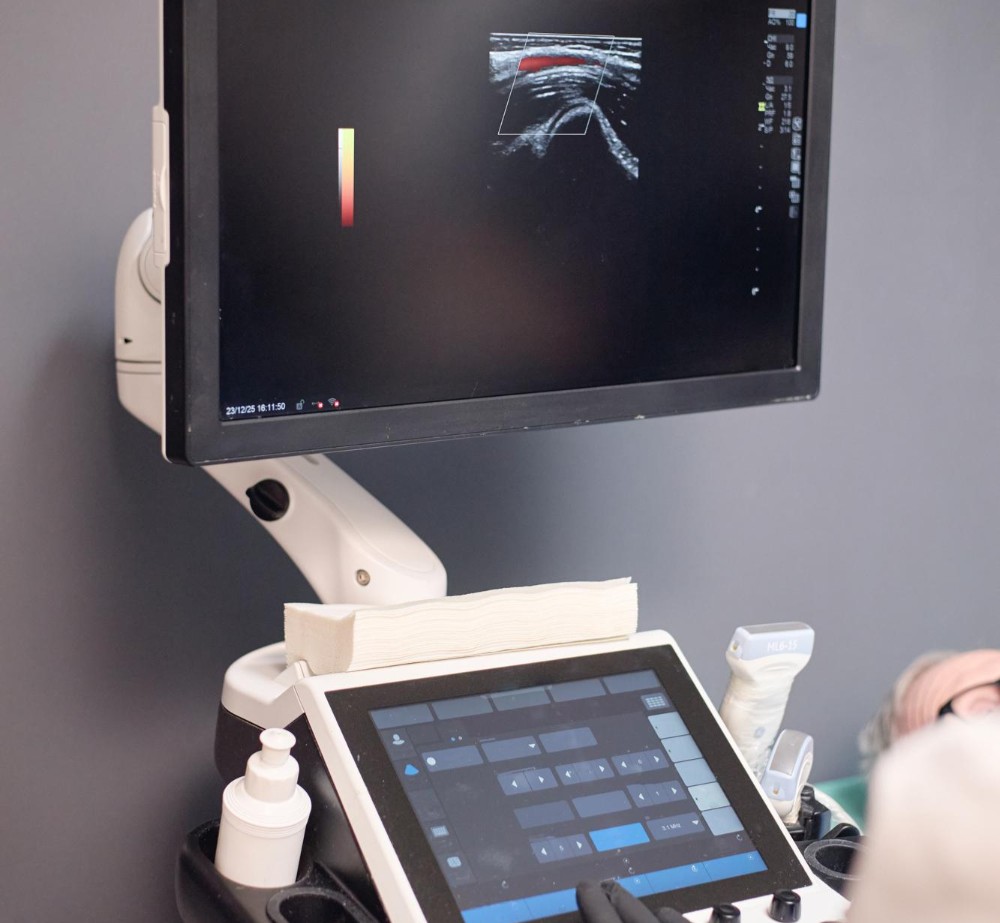
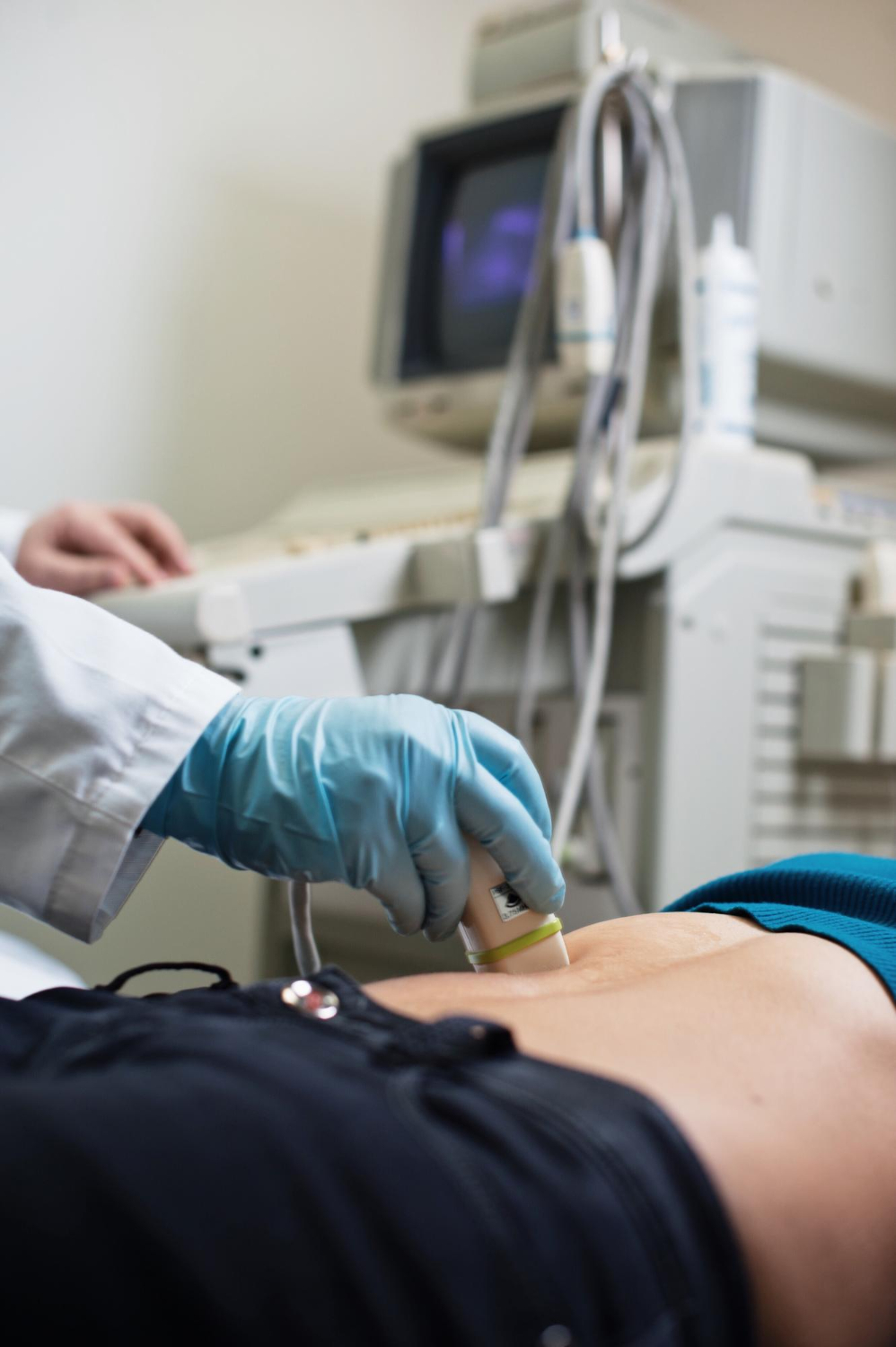
Vascular ultrasound tests are safe, painless scans that use sound waves to show how blood flows through your arteries and veins. These tests help check for narrowing, blockages or circulation problems by producing real‑time images of your blood vessels. They are commonly used to assess the carotid arteries in the neck, the arteries and veins in the legs, and other major vessels. Vascular ultrasound helps your doctor understand your circulation and guide the most appropriate care.
Need more information?
If you have questions about our services, locations or referral requirements, our administrative team can provide general information and guide you through the next steps.